

Digital Out-of-Home (DOOH) Advertising
Big Screens. Smart Targeting. Real-World Impact.
Digital Out-of-Home (DOOH) blends the scale of traditional billboards with the precision of digital media. Whether it's a gas pump, grocery screen, airport terminal, or urban display, DOOH ads reach people in real life — with digital-level control over targeting, timing, and creative.
At Y Associates, we run smart DOOH campaigns that turn everyday moments into branding opportunities.
Get A Free Proposal!
Bring Your Brand to Life with High-Impact DOOH Ads
What Is DOOH?
Digital Out-of-Home advertising refers to video or static ads delivered across real-world digital screens — outside the home — through programmatic platforms. It's like display or video ads, but in the physical world.
✅ Gas Stations, Convenience Stores
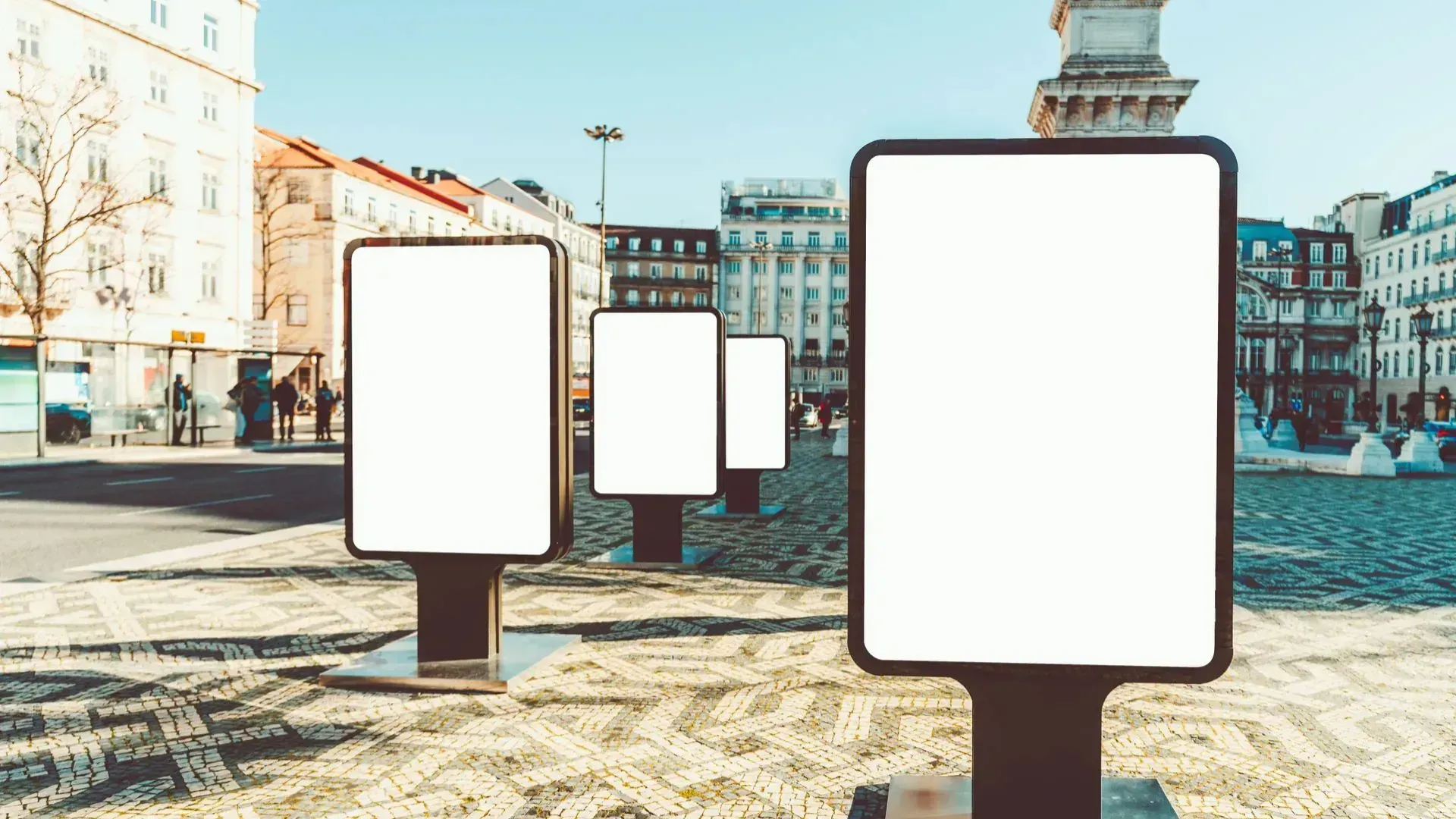
✅ Digital Billboards & Urban Panels
✅ Gyms, Airports, Doctor Offices
✅ Elevators, Malls & Waiting Rooms
✅ Grocery Checkout Screens
✅ Sports Bars & Entertainment Venues
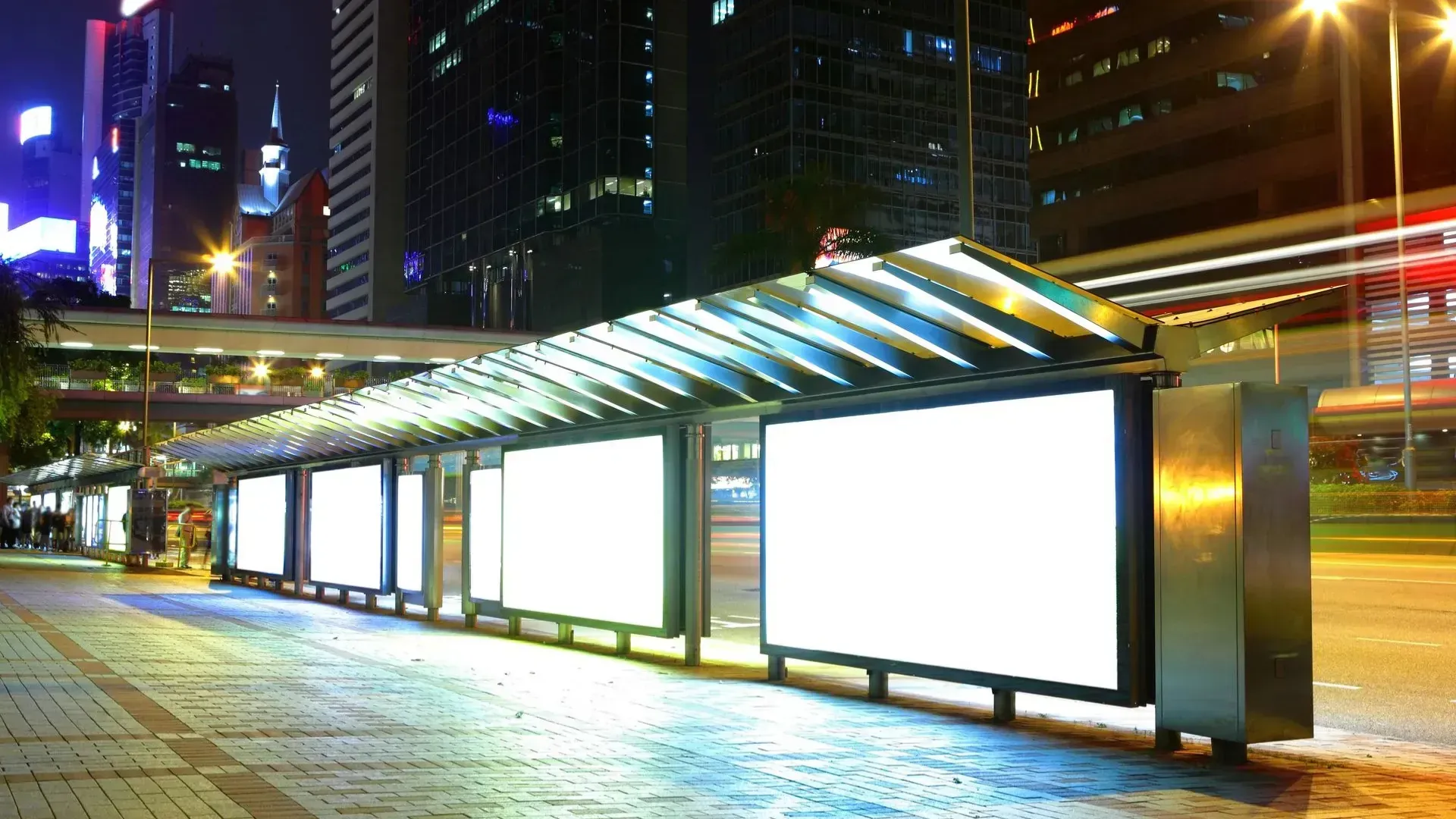
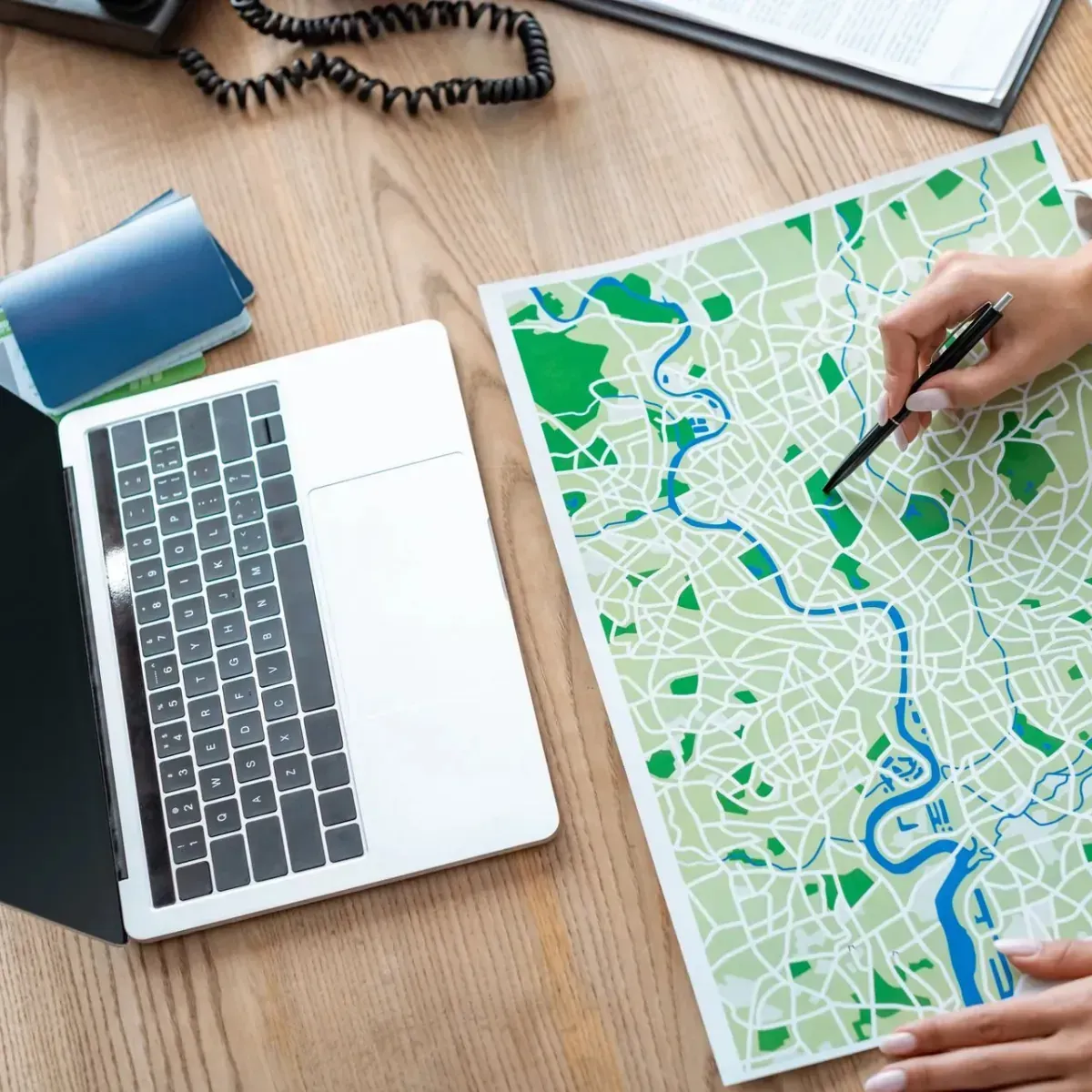
Target DOOH by:
- Location (zip code, city, DMA, or custom radius)
- Time of Day / Dayparting
- Weather & Events
- Demographics or Behaviors (via mobile data overlays)
- Venue Type (e.g. gyms vs. gas stations vs. pharmacies)
Use DOOH For:
- Local awareness campaigns
- New business launches or expansions
- Seasonal and holiday promotions
- Real estate, auto, legal, medical, and more
- Events, grand openings, or franchise rollouts
Why Digital Out-of-Home?
- Mass Reach + Digital Flexibility
- Unskippable, Unblockable Media
- Contextually Relevant Placements
- Fast Turnaround on Creative Changes
- Enhances Brand Visibility & Local Credibility
- Great Companion to Display, Social & Video Ads
Why Y Associates?
We bring programmatic DOOH into your broader media plan — not as a one-off, but as part of a full-funnel marketing strategy. Our team handles the creative specs, placement targeting, platform bidding, and performance reporting — so you get real results in the real world.
How Programmatic DOOH Is Bought
Programmatic digital out-of-home is bought the same way as online display: through a buying platform, on a CPM basis, with impressions counted against an estimated audience in front of each screen.
That is the difference from a traditional billboard. With a static board you rent a location for weeks at a fixed price. With programmatic DOOH you buy exposure by the hour across many screens, choose exactly when your ad runs, and change the creative without printing anything.
Inventory includes roadside digital billboards, transit shelters and stations, gyms, gas stations, pharmacies, office lobbies, malls and grocery stores. The buy can be concentrated in one type of venue or spread across a metro.
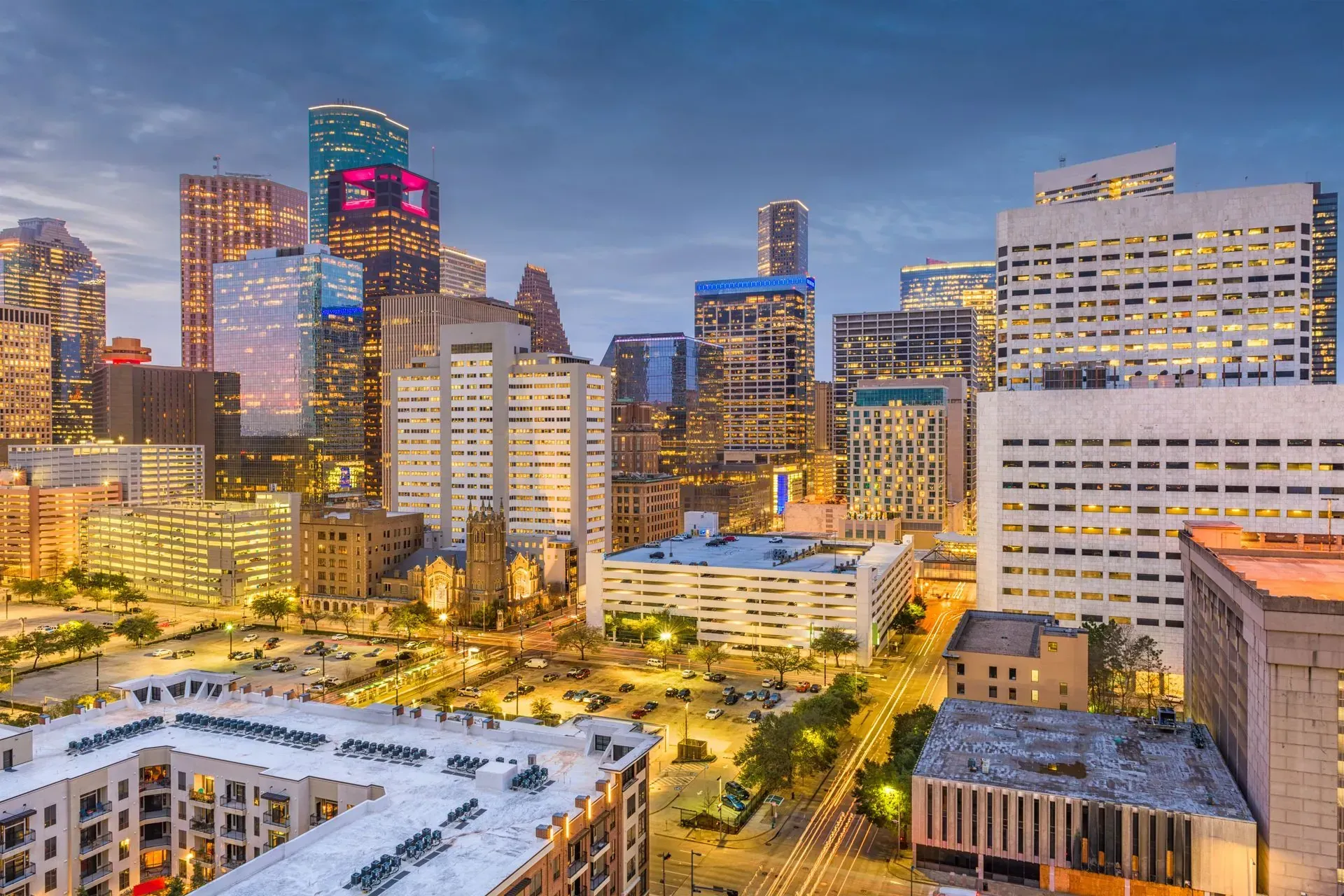
What You Can Target With DOOH
- Geography, down to specific screens, neighborhoods or a radius around a location
- Venue type, so a gym audience and a pharmacy audience are bought separately
- Daypart, running only during commute hours, lunch or evenings
- Weather and live conditions, triggering creative when it rains, gets hot or a game is on
- Audience overlays, using anonymized mobile location data to find screens that the kind of person you want tends to pass
- Proximity, placing screens near your own locations or near a competitor's
Dayparting and triggers are where DOOH stops behaving like a billboard. The same screen can show a coffee offer at 7am and a dinner offer at 6pm.
How DOOH Is Measured
DOOH does not produce clicks, and anyone reporting a DOOH click-through rate is reporting something else. It is measured differently:
- Impressions, estimated from traffic and audience data for each screen and time slot. These are modeled, not counted, and we say so in the report
- Plays, the number of times your ad actually ran, which is a hard count
- Mobile retargeting of exposed devices, reaching phones that were near the screens with follow-up online ads
- Foot traffic lift, comparing visits to your location from exposed and unexposed devices, when the campaign is large enough to measure
- Search and site lift, watching branded search and direct traffic in the targeted area
The honest way to read DOOH is as the top of the funnel, measured by the lift it causes in the channels that do produce clicks.
Creative That Works on a Screen You Pass
A person driving past a billboard sees it for a few seconds. That sets hard limits on the ad:
- Keep the words to a minimum. A headline and a logo, not a paragraph
- Use high contrast. Screens are viewed in daylight, at night and from an angle
- One idea per ad. If you have three messages, run three ads
- Leave the phone number off roadside screens. Nobody can write it down at 50 miles an hour. A short, memorable brand or web address works better
Because the creative is digital, it can change by daypart, weather or location at no printing cost. We usually build a small set of variations rather than one ad.
DOOH Advertising FAQ
How is this different from renting a billboard?
A billboard rents one location for weeks at a fixed cost. Programmatic DOOH buys impressions by the hour across many screens, targeted by time, place and audience, with creative you can change at any point.
Can we run DOOH only near our own locations?
Yes. Proximity targeting is one of the most common local uses: screens within a set distance of your stores, offices or event.
How do we know if it worked?
Through plays and modeled impressions for delivery, and through lift in foot traffic, branded search and site visits for results. We are clear about which numbers are counted and which are estimated.
Is DOOH only for large brands?
No. Because it is bought programmatically and by the hour, a local business can run a focused campaign in one metro or around a few locations without committing to a long lease.
DOOH works best alongside digital display and digital audio campaigns that reach the same audience online.
Start a Smart DOOH Campaign With Y Associates
We leverage data-driven planning to place your ads in the best locations, ensuring maximum visibility and engagement for your brand.